
A kitchen is often considered the heart of a home, and at the center of every functional kitchen is its equipment. From basic utensils to advanced appliances, kitchen equipment plays a vital role in food preparation, cooking, and storage. The quality and type of foodservice equipment used can greatly influence not only the efficiency of cooking but also the safety, hygiene, and overall culinary experience. In today’s fast-paced world, having the right tools makes cooking easier, faster, and far more enjoyable.
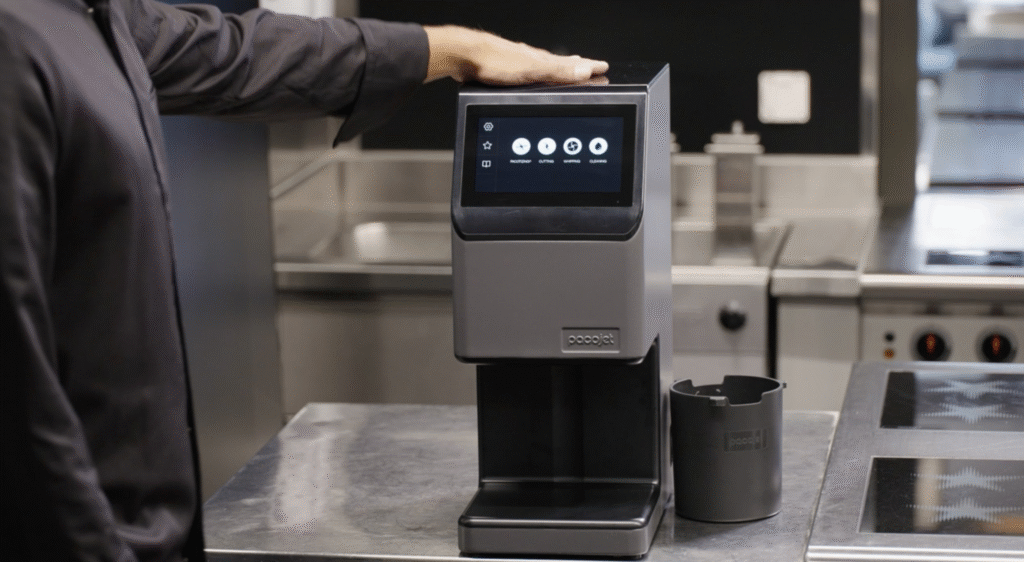
The foundation of any well-equipped kitchen starts with basic tools. These include knives, cutting boards, measuring cups, spoons, pots, and pans. High-quality knives, for instance, are essential for precision and safety, as dull blades can be more dangerous than sharp ones. Cutting boards made from wood, bamboo, or plastic help prevent cross-contamination, while durable pots and pans ensure even cooking. Simple items like mixing bowls, strainers, and spatulas may seem minor, but they are indispensable for daily food preparation. Without these essentials, even the simplest dishes would be difficult to prepare efficiently.
Beyond the basics, modern kitchens rely heavily on appliances that save time and effort. Small appliances such as blenders, food processors, coffee makers, and toasters make specific tasks quicker and more convenient. For instance, a blender simplifies the process of making smoothies, soups, and sauces, while a food processor can chop, slice, or grind ingredients in seconds. Larger appliances like ovens, refrigerators, and dishwashers are considered the backbone of kitchen functionality. A reliable refrigerator ensures food stays fresh, an oven provides versatile cooking options, and a dishwasher maintains hygiene by effectively cleaning utensils and cookware.
The advancement of technology has also transformed the role of kitchen equipment. Smart appliances with digital controls and automation features have become increasingly popular. Induction cooktops, for example, are energy-efficient and provide precise temperature control, while smart refrigerators can monitor food freshness and suggest recipes based on available ingredients. These innovations not only enhance convenience but also promote sustainability by reducing energy consumption and food waste. Additionally, modern equipment often comes with safety features, such as auto-shutoff mechanisms, which make cooking safer, especially in busy households.
In professional kitchens, the significance of specialized equipment cannot be overlooked. Restaurants and catering businesses require commercial-grade appliances that can withstand heavy use and deliver consistent results. Industrial mixers, high-capacity ovens, deep fryers, and advanced refrigeration systems are essential for handling large quantities of food. Moreover, proper kitchen equipment in professional settings ensures compliance with health and safety regulations, which is crucial in maintaining food quality and customer satisfaction. For both home cooks and professionals, investing in durable and reliable equipment pays off in the long run by improving efficiency and reducing maintenance costs.
In conclusion, kitchen equipment forms the backbone of every cooking space, whether at home or in a professional environment. From essential tools like knives and pans to advanced smart appliances, each piece serves a unique purpose in simplifying cooking tasks, improving efficiency, and ensuring food safety. As technology continues to evolve, kitchen equipment will only become more innovative, making cooking an easier and more enjoyable experience for everyone. Ultimately, the right equipment not only supports creativity in the kitchen but also turns the act of cooking into a seamless and rewarding process.