
In today’s world of fast-moving technology, video games, and digital devices, it is easy to overlook the importance of creative expression in a child’s life. Drawing, one of the most natural forms of creativity, offers children a unique way to express their emotions, ideas, and imagination. Children drawing classes play a vital role in nurturing these abilities, allowing kids to explore their inner worlds while developing essential skills that last a lifetime. Whether taught at a community 創意學堂 , school, or specialized art studio, these classes provide more than just art instruction—they build confidence, patience, and problem-solving abilities.
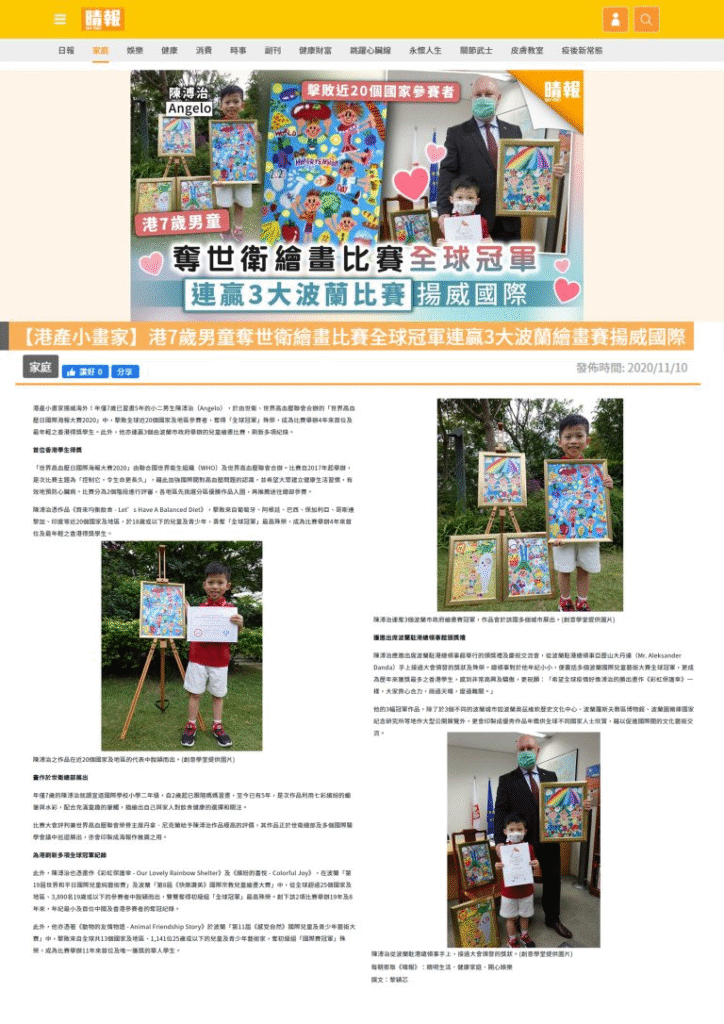
One of the main reasons parents enroll their children in drawing classes is to help develop artistic skills at an early age. While every child has a natural instinct to doodle or sketch, structured lessons allow them to refine their skills and learn techniques that go beyond simple lines and shapes. For example, children can learn shading, perspective, proportion, and color blending, which open doors to more advanced forms of art as they grow. Unlike passive activities, drawing actively engages both sides of the brain—the creative and logical—resulting in well-rounded development. By joining children drawing classes, kids can improve their motor skills, hand-eye coordination, and concentration, which can also benefit them academically.
Another powerful benefit of drawing classes is the encouragement of self-expression. Children may not always have the vocabulary or emotional maturity to communicate their feelings effectively. Drawing provides a safe outlet for these emotions. A child might sketch a sunny field to express happiness, or a stormy sky when feeling upset. Teachers in children drawing classes often guide students to use their creativity to tell stories through art, building emotional intelligence in the process. This form of non-verbal communication is especially beneficial for shy or introverted children, who may struggle to express themselves verbally. Over time, drawing boosts self-esteem and gives children the confidence to share their perspectives with others.
Additionally, these classes foster creativity and imagination—skills that extend far beyond art. In a world where innovation is increasingly valued, the ability to think outside the box is crucial. Children drawing classes encourage students to see everyday objects in new ways, sparking curiosity and encouraging problem-solving. For instance, a simple exercise like turning random scribbles into recognizable figures helps children explore new perspectives. The ability to imagine and create something from nothing enhances critical thinking, which benefits them not only in academics but also in real-life situations. Whether a child grows up to be a scientist, engineer, or entrepreneur, the creative problem-solving skills developed through art remain valuable assets.
Another often-overlooked advantage of drawing classes is the social aspect. Children often work in groups, sharing ideas, appreciating one another’s art, and learning to respect different perspectives. Collaborative art projects or group critiques teach them teamwork, patience, and constructive feedback. In a supportive classroom environment, children feel motivated to try new things without fear of failure. They learn that art is subjective, and there are many ways to approach a single concept. These experiences prepare them for a collaborative society where multiple viewpoints must coexist and thrive.
Practical skills also emerge from consistent practice in children drawing classes. Time management, attention to detail, and perseverance are crucial traits developed when working on a drawing project from start to finish. Children discover that art is not always instant gratification—it takes effort, patience, and practice to achieve desired results. This valuable lesson often translates into other areas of life, from school projects to sports and even future career endeavors. In essence, drawing classes teach children the importance of discipline and persistence while still allowing them to enjoy the creative process.
Parents often wonder about the right age to start enrolling their children in drawing classes. While toddlers naturally experiment with crayons and paper, structured children drawing classes are usually ideal for children aged four and above. At this stage, kids can follow instructions, hold pencils or brushes properly, and begin to understand basic concepts like shapes and colors. As they grow, classes can become more advanced, incorporating art history, techniques from different cultures, and digital drawing methods. This progression allows children to develop a deep appreciation for art, which can even lead to future academic or professional opportunities in design, illustration, or animation.
Another modern trend in children’s art education is the rise of online drawing classes. With the advancement of digital platforms, many parents now choose virtual options that allow children to learn from the comfort of home. These online children drawing classes often include interactive lessons, step-by-step video tutorials, and live sessions with instructors. They are particularly useful for children in areas where in-person classes are not accessible. Online options also allow for flexible scheduling, making it easier to fit art into a busy family routine. Whether in-person or online, the key lies in choosing a class that emphasizes creativity and encouragement rather than strict perfectionism.
For parents seeking to enroll their children, it is important to choose classes that strike the right balance between structure and freedom. A good drawing class should provide technical guidance while leaving enough space for children to experiment and discover their unique style. Instructors should encourage curiosity, celebrate individual creativity, and avoid comparisons between students. The goal is not just to create perfect drawings but to enjoy the process of creating. When children feel free to explore without judgment, they are more likely to develop a lifelong love for art.
In conclusion, children drawing classes offer far more than basic art instruction. They provide a platform for self-expression, skill-building, emotional growth, and creative thinking. From boosting confidence and communication skills to fostering patience and collaboration, these classes prepare children for both academic success and life’s challenges. As technology continues to dominate daily routines, drawing classes offer a refreshing balance by reconnecting children with their imagination and creativity. Whether your child becomes a professional artist or simply enjoys drawing as a hobby, the lessons learned in these classes are invaluable stepping stones toward personal growth and fulfillment.